The Perks of Propet Shoes for Men, Women and Diabetics
Choosing the right shoes to wear can be a daunting task for those who bear foot problems. On that note, it is of the essence for one to invest in shoes that truly resonate with the style and comfort that both the feet require. Letting a foot condition linger with shoes that don’t really prove fitting can worsen the situation. So rather than choosing the typical shoes, may it be rubber or leather, it is best to consider propet shoes that are designed to aid different types of painful foot problems.
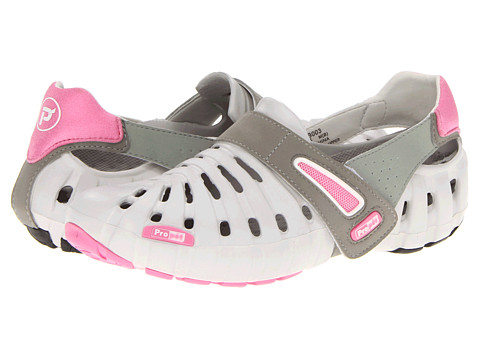
The Beginning of Propet Shoes
These shoes were basically launch with an aim to ensure that there are footwear offering higher level of comfort in the market at much affordable prices. With the need having to be met each and every time, the shoes are not manufactured based on orders demanded, but rather in varieties in terms of sizing options. Since these shoes come with high levels of sole quality, they always last longer durations compared to most shoe types. That basically means there have always been and there will always be propet shoes that fit your feet perfectly no matter what size both have.
Tying Them Up
Among all propets, the most famed design would be the propet boots. Every shoe under this certain category needs tying up. In order for the purchaser to get full satisfaction, virtually all shoes of this kind each have manuals on how the tying process is done right. There are even manufacturers that made websites dedicated for customer support for lacing the shoes and setting out the proper care for longer lastingness. Why is there a need for that? That is simply because these shoes are designed differently; there are some with high arches, there are those specifically sized for each toe, and there are also ones with rather slim heels with wide front feet. Having that said, not being able to tie the shoes the right way can affect the experience of the wearer. That is also why every directional material given shows a diagram with labels and instruction on how to loop, how tight the tie should be, and so on.
Varieties
It is important to know that these shoes come in different makes with the purpose of targeting specific clients for specific foot conditions. Designs produced are quite fascinating as they can go from casual to formal. You’d be surprised that there are even shoes of this kind made to match up elegant dresses, especially sandals, so as to not overlook a cosy feel while enjoying the night out for balls, parties and other fashionable social gatherings. You can either go from simple to festooned designs, in which the latter are preferred by most trendsetting and trend following women. Plus, they also come in a wide array of colors so as to resonate with the tastes or preferences of anyone who seeks to wear propets.
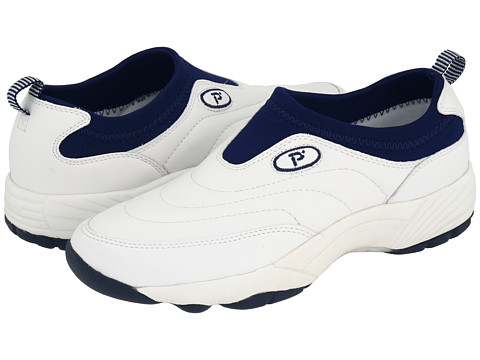
1. Propet Diabetic Shoes
Why do diabetic people need to be more particular with their shoes? There is a simple and straightforward explanation to that: since diabetes is glucose induced problem, that means people who suffer from it experience drastic imbalances in blood circulation. The symmetry of that would be chronic pains when caused by nerve damage as a manifestation of the poor blood circulation. The feet are not an exception to that. The only real way around that would be extra foot space without the additional weight and discomfort when wearing extra sized shoes. And that is where propet diabetic shoes come into play.
Propets for diabetics have more room for every foot even when the size is of exactitude that of the patient’s requirement. Being able to get more space in each foot means pressure is stabilized to promote a much better blood flow by the lower extremities. This also helps avoid getting cuts and bruises, which the typical leather and rubber shoes may induce. In that case, complications may incur granted slow healing of wounds is the main indication of diabetes or in worst cases, no healing at all. One more thing you should know is that before you make a purchase, consult your doctor first because some medicare groups actually cover the expenses for this footwear with the help of a doctor’s prescription.
2. Propet Womens Shoes
Most women want to look their best from top to toe at all times, and that is a reality that you can never deny. Women are therefore, naturally appreciative of the vogue world, causing them to dive into every craze as it comes out of the shell. Anyway, women have different style preferences making each of them unique in one way or the other. Propets nowadays don’t really have to restrain them from being fashionable anymore since these shoes are adherent to the wants of the modern society.
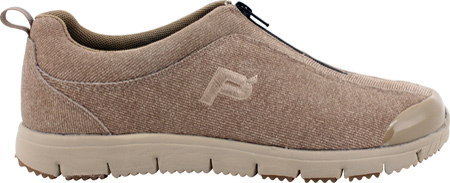
Women’s propets don’t just come in the form of shoes. As mentioned earlier, there are sandals and apart from that, there are also boots that are incorporated with the best possible design features. Some of which would include rubber soles, padded tongues, extended internal heels, removable cushioned orthotics and molded midsole made with Ethylene Vinyl Acetate or EVA in short, all giving the extra support and stability needed. All are actually found in virtually all propets, but when it comes to women’s designs, a slight curving right from the heels or the toes may be found, which would depend on the inches of the heels or if the shoes are flats.
3. Propet Wide Shoes
These shoes can be very obvious when it comes to wideness, but that is not the case at all times. There are designs that give off an illusion, making the shoes look narrow in size, when on the inside, there really is extra space for each foot to feel some air. Most wide shoe designs are slip-on and strap types. But these days, a new player has come into the picture: toe shoes. That is actually very self-definitive and the thing that comes in your mind as you read this might as well be the reality of what these shoes really are. They are basically designed to give exclusivity to every toe in every foot, and what you see is what you get for a feel – veritable relaxation. Some would say they are like walking on air with the ultra-lightness of the toe shoes, as if they are walking with bear feet while getting enough protection against rough terrains. Since the design is rather delicate with more detailing compared to the usual propets, wide toe shoes may cost more. Nevertheless, the experience you get from each pair are truly exceptional and totally worth every cent.
Final Words on Propets
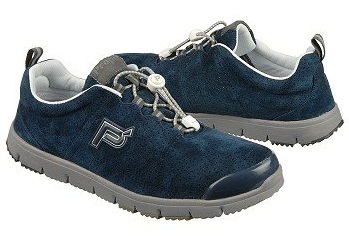
With the sizing, quality, varieties and experience that one can grasp from a pair of these shoes, being wrong with the decision of buying it is almost a non-existent possibility. The need to wear extra sized shoes won’t have to be a necessity anymore and trouble not with trailing off from what’s in. With the help of this purely grand line of shoes, style and comfort need not to be separated entities – you can simply get both with every pair you buy for whatever purpose you have of it.